


Already, the AI-supported platform is helping employees:
- Access policies, procedures and guidance instantly
- Respond more quickly and consistently to resident needs
- Reduce administrative workload and duplication
- Spend more time focused on care, support and customer interaction
Bupa New Zealand Clinical and Quality Director Sandy Turnwald said that platform was designed to make every day work simpler and support better outcomes for residents.
“At Bupa we have extensive guidance and procedures covering all aspects of care, from wound dressing to requirements for resident van trips. Previously, employees needed to know where information was stored across multiple platforms. With Nexus AI, our people can simply ask a question and quickly access the relevant current information and reference documents,” she says.
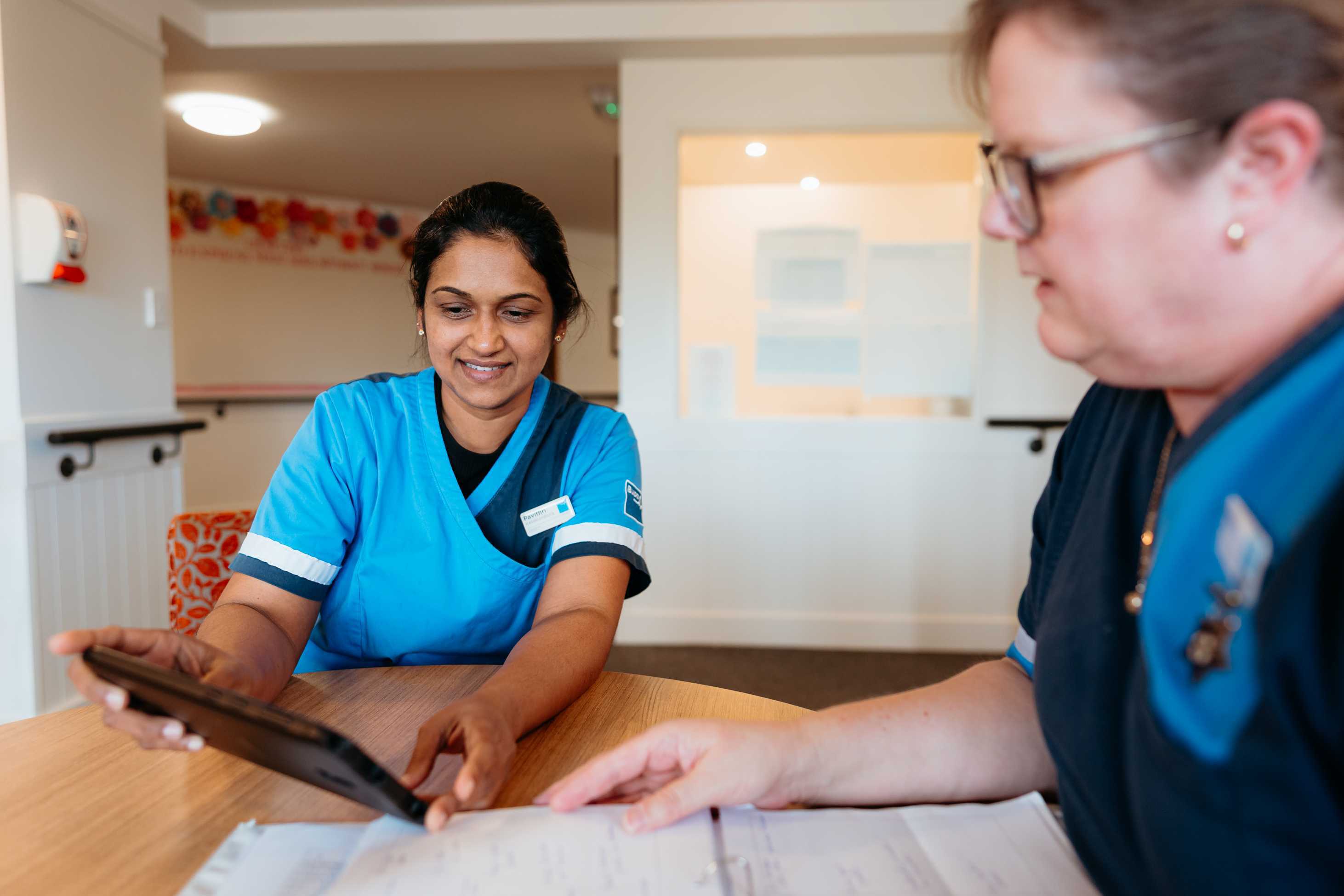
“It removes barriers for our people and helps frontline teams make more informed decisions, while always maintaining human oversight and professional judgement.”
Importantly, the technology is designed to support clinical, operational and care teams, not automate care itself. Decisions remain firmly in the hands of trained employees and care professionals.
"Healthcare is human. It requires compassion, connection and professional judgement. Technology should support our people to work smarter and reduce administrative burden, so they can focus on what matters most, our residents,” says Sandy,
"AI helps reduce friction by surfacing important information faster. Ultimately, it’s about enabling safer, more connected and responsive care and service delivery," she says.
Since becoming fully operational, the platform has also improved collaboration across teams, reduced time spent resolving queries and made organisational knowledge easier to access and apply consistently.
As with any AI tool, Bupa will continue refining the platform alongside frontline employees to ensure it remains safe, practical and focused on delivering meaningful improvements in care and customer outcomes.
The rollout follows Bupa’s recent implementation of its digital Deterioration Early Warning System (DEWS) across all its care homes, a clinical decision-support system that helps care teams identify early and subtle signs that a resident’s health may be declining.
“Like many aged residential care providers across New Zealand, the sector is facing significant challenges, including funding pressures, significant demand, and increasing complexity of care needs,” says Sandy.
“In this environment, digital solutions that simplify processes, support our people, and help teams spend more time focused on resident care are more important than ever,” added Sandy.”


